We earn a commission if you buy through our links, at no cost to you. Disclosure
| Model | Neoprene thickness | Fit | Built-in gravel guard | Amazon |
|---|---|---|---|---|
8 Fans Neoprene Wading SocksWader socks More specs
| 3 mmmaker | Unisexmaker | Yesmaker | See it on Amazon |
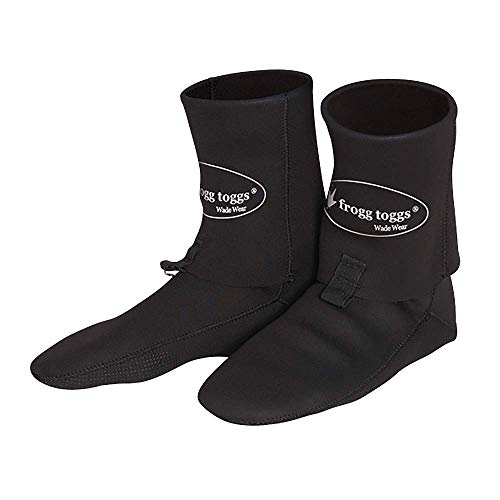
Frogg Toggs Neoprene Wading BootiesWader socks More specs
| 3.5 mmmaker | — | Yesmaker | See it on Amazon |
Korkers I-Drain Neoprene Guard Socks 3.5mmWader socks More specs
| 3.5 mmmaker | Unisexmaker | Yesmaker | See it on Amazon |
Korkers I-Drain Neoprene Wading Socks 2.5mmWader socks More specs
| 2.5 mmmaker | Unisexmaker | — | See it on Amazon |
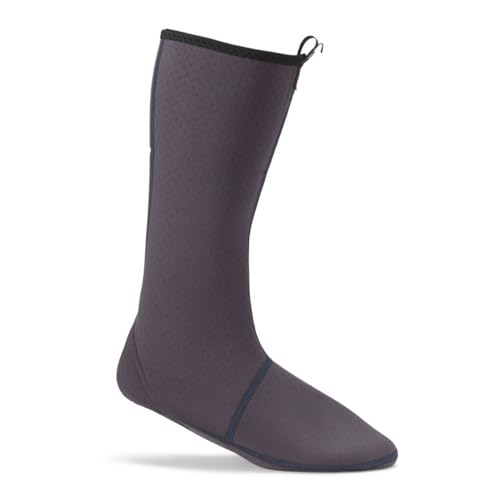
Orvis Neoprene Guard Sock 3mmWader socks More specs
| 3 mmmaker | Unisexlisting | Yesmaker | See it on Amazon |
Orvis Neoprene Wading Sock 0.5mmWader socks More specs
| 0.5 mmmaker | Unisexlisting | — | See it on Amazon |
Simms Guide Guard Wading SocksWader socks More specs
| 3.5 mmmaker | Unisexmaker | Yesmaker | See it on Amazon |
Simms Neoprene Flyweight Wading SocksWader socks More specs
| 2.5 mmmaker | Men'smaker | Yesmaker | See it on Amazon |
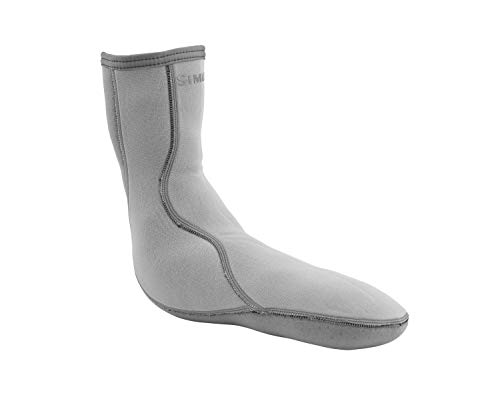
Simms Neoprene Wading SocksWader socks More specs
| 2.5 mmmaker | Unisexmaker | — | See it on Amazon |
XUKER XUKER 3.5mm Neoprene Guard Wading Socks Fast-Draining for Men WomenWader socks More specs
| 3.5 mmlisting | Unisexlisting | Yeslisting | See it on Amazon |






What's in this tableNeoprene wading socks, as described by their maker.
What neoprene wading socks are, and who they suit
Wet wading means no waders. You walk into the river in shorts or quick-dry pants, with wading boots on your feet. That works well in warm water, but a bare foot in a hard boot is a recipe for blisters, and the boot fills with sand. A neoprene wading sock fixes some of that: a layer of foam rubber between your foot and the boot, with enough stretch to hug the ankle. If you wet wade in summer, or fish a warm-water river where waders are overkill, this is the sock that fits the job. Our wet wading guide covers the whole setup.
The table lists ten of these at our last check (October 2026). All are described as neoprene by their maker or by the Amazon listing, and the list follows a strict rule: neoprene wading socks, as the maker or listing describes them. Wool-blend and synthetic socks live on the wider wader socks page. If you are choosing socks for under waders, start there.
Thickness: what the millimeters tell you
Thickness is the column to read first. The ten socks in the table fall into four steps where the figure is stated:
- 0.5 mm: the Orvis Neoprene Wading Sock 0.5mm, the thinnest in the data.
- 2.5 mm: the Korkers I-Drain Neoprene Wading Socks 2.5mm, the Simms Neoprene Flyweight Wading Socks and the Simms Neoprene Wading Socks.
- 3 mm: the 8 Fans Neoprene Wading Socks and the Orvis Neoprene Guard Sock 3mm.
- 3.5 mm: the Frogg Toggs Neoprene Wading Booties, the Korkers I-Drain Neoprene Guard Socks 3.5mm, the Simms Guide Guard Wading Socks and the XUKER 3.5mm guard socks.
A thicker sock holds more warmth, takes more room and dries more slowly. The Frogg Toggs buying guide gives a rough scale for neoprene waders, saying 3 mm suits fishing and 5 mm is preferred for colder weather. Nothing in our table is as thick as 5 mm, and a sock is not a wader leg, so use the scale as context rather than a rule. My rule of thumb: thin for warm water and tight boots, middle for most days, and thick when the river is cold and you are not planning to move much.
The XUKER values for thickness, material and the gravel guard come from the Amazon listing only, as do several Orvis fields, so treat those as the seller's statement. Maker-confirmed values show the maker mark in the table.
The gravel guard
A gravel guard is a cuff, usually a stretch of neoprene, that fits over the top of the boot to keep sand and small stones out. Seven of the ten socks list one: 8 Fans, Frogg Toggs, Korkers (the 3.5 mm guard sock), Orvis (the 3mm guard sock), the two Simms guard styles (Guide Guard and Flyweight) and XUKER. The Korkers 2.5 mm sock, the Orvis 0.5 mm sock and the Simms Neoprene Wading Socks do not list one, so the table shows a dash for them. A dash means not confirmed, not "no".
I'd go with a guard if you wade over sand or gravel, and without one only if the boot already closes tight at the ankle. Guard cuffs also add a little bulk at the ankle. If your boot is already snug there, try the boot with the sock on.
How to read the table
Each value carries a small mark. Maker means it came from the manufacturer's own page. Claimed marks a maker's own claim with no independent standard behind it. Listing means the value came from the Amazon listing only, so it is the seller's statement. A dash (—) means we could not confirm it, and we do not guess. The columns for this type are:
- Material is neoprene for every product in this table.
- Neoprene thickness is in millimeters.
- Fit is men's, women's or unisex. Most of the socks here are unisex; the Simms Flyweight is listed as men's.
- Built-in gravel guard says whether the cuff is listed.
Open "More specs" under a model name for the size labels. They differ by maker, so look at them before you compare.
Sizing without copying a chart
Size labels are not standard across makers. 8 Fans lists S to XL with a shoe range of men's 7 to 14. Korkers lists SM to XL with a men's and women's range under each. Orvis gives XS to XL with shoe-size ranges, and Simms uses XS to XL for its unisex styles and S to 2XL for the men's Flyweight. Frogg Toggs lists SM to XL and links its chart. Because ranges overlap and the labels shift, use the maker's own chart for the exact sock. Simms and Frogg Toggs publish theirs: Simms size and fit guide and Frogg Toggs size charts.
If you are between sizes, think about the boot. A boot that is snug with a bare foot will be tighter with a 3.5 mm sock on it. Our wading boots page covers fit, and wet wading shoes lists boots made for the job.
How I would choose
By water and season. Warm rivers need little: a thin or middle sock to protect the foot from rubbing. Cool rivers call for the thickest step. If you want to stay out in cold water for long, wet wading is the wrong tool, and waders are the better answer.
By bottom. Sand and gravel favor a gravel guard. Rocky, slick bottoms are a boot question more than a sock question. See felt or rubber wading boots.
By how much you walk. A thick sock plus a boot can feel hot on a long walk in summer. A thin sock dries faster and breathes more.
By boot fit. I'd choose the sock first, then the boot, or buy both together and try them on. If the boot is already on your shelf, pick a sock that leaves room.
By brand and range. Each maker offers a different step in thickness: Orvis has the widest spread in the table from 0.5 mm to 3 mm, Simms offers 2.5 mm and 3.5 mm, and Korkers has 2.5 mm and 3.5 mm. XUKER and 8 Fans have one style each. If you plan to buy two pairs for different seasons, a maker with two thicknesses lets you keep the same sizing.
Reading the Marketing Copy
The XUKER listing title, "Fast-Draining for Men Women", is a good sample. The Marketing Copy likes a hyphenated promise: fast-draining. Fast compared to what, and drained how far? A neoprene sock holds water against the skin by design, since neoprene is a foam and the listings do not say how it handles water. If a listing says it drains quickly, I'd read it as a statement about the cuff and the weave, not a promise that your feet will feel dry. We report it as the seller's wording and nothing more.
Neoprene socks or wool-blend socks?
The two are not rivals so much as different tools. A neoprene sock is made for being wet: you wear it in the boot, in the river, with nothing over it. A wool-blend sock is made to sit against the skin, usually under waders, where the wader keeps most of the water out. Our wader socks page lists nine wool-blend styles and two synthetic knits alongside these ten. If you wet wade in summer and wear waders in spring and autumn, you will probably end up with both kinds, and the guide to what to wear under waders shows how the layers stack.
Common mistakes
- Buying a thicker sock without trying the boot. The boot fit changes with every extra millimeter.
- Skipping the gravel guard on a sandy river. The grit gets in anyway.
- Using the wrong size chart. Labels shift between makers, so match the chart to the sock.
- Expecting wet wading socks to replace waders. They add warmth to the foot, not the legs.
- Leaving them wet in a bag. Rinse, hang them out of direct sun and heat, and let them dry fully before storing.
Care in brief
Rinse after each trip, particularly in silty or salt water, and let them dry in the shade. Check the care label or the maker's page for the pair you bought, since care advice differs between products. Replace socks when the foam thins or the cuff stretches out.
Brands in the table
Simms has three of the ten, Korkers and Orvis have two each, and 8 Fans, Frogg Toggs and XUKER have one each. For more on each maker, see Simms, Korkers, Orvis, 8 Fans and Frogg Toggs. The brand catalog has the rest.
Brands in this table
Related
Questions people ask
What are neoprene wading socks?
They are socks made from neoprene, a foam rubber that still insulates when wet. You wear them inside wading boots, usually without waders, which is what anglers call wet wading. The table lists ten at our last check (October 2026), in thicknesses from 0.5 mm to 3.5 mm where the maker or listing states it.
What do wet wading socks do?
They cushion the foot, add some warmth and reduce rubbing between the foot and the boot. Several of the socks in the table also have a gravel guard, a stretchy cuff that fits over the boot top so sand and small stones stay outside. Those functions are what the makers and listings describe; we have not tested any of them.
How thick should neoprene wading socks be?
It depends on the water temperature and the boot. In our data 0.5 mm is the thinnest, 2.5 mm to 3 mm is the middle, and 3.5 mm is the thickest. Frogg Toggs says 3 mm neoprene suits fishing and 5 mm is preferred in colder weather in its guide to neoprene waders, which is a rough guide for how thickness maps to temperature. A thicker sock takes up more room in the boot, so try the boot with the sock on.
Is a gravel guard necessary on a wading sock?
Not strictly, but I'd want one if I was wet wading over sand or gravel. Seven of the ten socks in the table list one. Without a guard, grit can work its way over the boot top and inside the boot, which is the sort of thing you notice on the third mile. The Orvis 0.5 mm sock, the Korkers 2.5 mm sock and the Simms Neoprene Wading Socks do not list a guard.
Do neoprene wading socks keep your feet warm?
Neoprene is made to insulate when wet, and thicker versions insulate more. How warm is warm enough depends on the water, the wind and how long you stand still, and none of the makers in our data publishes a temperature rating. If you are cold, thickness is the first thing to change, along with a wool or synthetic layer underneath, if the boot has room.
Can I wear neoprene wading socks with waders?
The socks in the table are described as wading socks and guard socks, not as liners for waders, and I can't find a maker statement in our data that says they are designed to go inside stockingfoot waders. Check the maker's instructions for the model you want. Wool-blend and synthetic wader socks are listed on our wader socks page.
How do I size neoprene wading socks?
Use the maker's chart for the exact sock. Labels run S to XL for 8 Fans, SM to XL for Korkers and Frogg Toggs, and XS to XL for Orvis and the Simms unisex styles, and the shoe ranges attached to each label are not the same. Simms and Frogg Toggs link their charts, and we don't copy them. If your boot is snug already, a thicker sock may call for a half size up in the boot.
Sources
- frogg toggs: How to buy waders — accessed 2026-10-15
- Simms: Size and fit guide — accessed 2026-10-15
- frogg toggs: Size charts — accessed 2026-10-15