We earn a commission if you buy through our links, at no cost to you. Disclosure
| Model | Sole | Fit | Warranty | Amazon |
|---|---|---|---|---|
Caddis Flats Neoprene Wading Shoe (CA4405S)Wading boots More specs
| — | Men'slisting | — | See it on Amazon |
Frogg Toggs Aransas Surf & Sand Wading BootWading boots More specs
| Rubbermaker | Men'slisting | 60 daysmaker | See it on Amazon |
Hodgman Neoprene Wade ShoeWading boots More specs
| Rubbermaker | Unisexlisting | — | See it on Amazon |
Paramount Outdoors Salt Flats Surf Wading BootWading boots More specs
| — | Men'smaker | — | See it on Amazon |
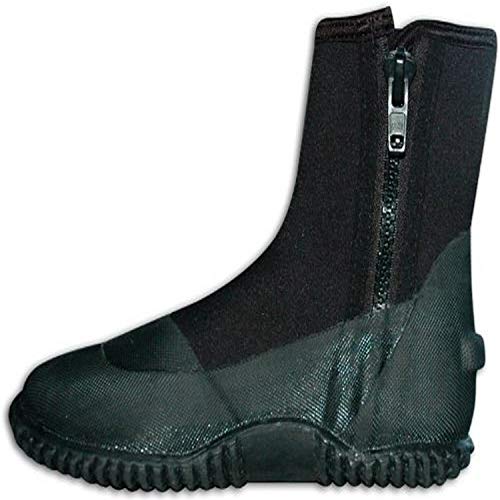

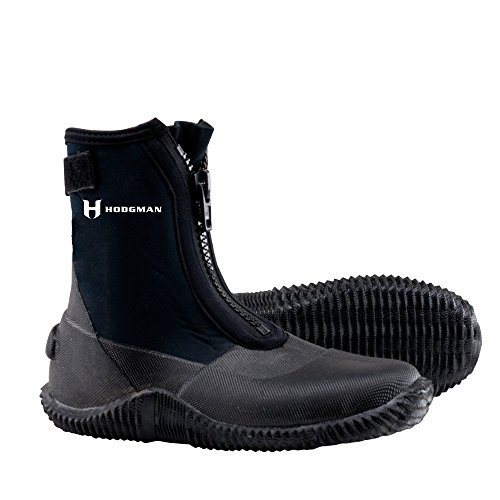

What's in this tableWet wading shoes, made to be worn without waders.
What the list covers
The list above applies a single rule: the product is a wet wading shoe, a shoe made to be worn without waders. At our last check (October 2026) that meant four shoes from four brands: Caddis, frogg toggs, Hodgman and Paramount. That is a small group, and I'd rather say so than pad it. If you want a fuller choice of footwear that handles water, the main wading boots table has many boots, and some anglers wet wade in them in warm conditions.
The products in this list differ a lot in detail. Two are named as neoprene shoes, two carry surf-and-sand style names, and the listings read like sneakers more than boots. The common thread is that they are made to drain, to dry quickly and to go in the water without a wader foot inside.
Wet wading, in plain words
Wet wading means wading without waders. You wear shorts or quick-dry pants, shoes that drain, and you accept being wet. It is a warm-weather approach, and it is common on small streams, wide shallow rivers and lakeshore flats. The upside is simple: less gear, less weight and a cooler day. The downside is equally simple: you are wet, exposed to cold water and less protected from rocks, branches and anything else in the water.
I'd treat water temperature as the deciding factor, not air temperature. A warm afternoon above a cold tailwater can still be cold on your legs. If you are not sure, put your hand in the water and think again. Our wet wading guide covers what to wear and when to put waders on instead.
Wet wading shoes versus wading boots
A wet wading shoe is not a lighter version of a wading boot. It is a different tool.
- Shape. Shoes are lower, often with a neoprene or mesh upper. Boots rise over the ankle and use sturdier materials.
- Support. A shoe gives less ankle support. On smooth sand or gravel that is fine. On rough, uneven rock it is a real difference.
- Wader compatibility. A boot is built to fit over the neoprene foot of stockingfoot waders. A shoe usually is not.
- Weight and drying. Shoes are lighter and dry faster, which is the reason to buy one.
- Protection. A higher boot keeps more grit and bumps off your ankle.
If you own stockingfoot waders and a pair of boots, you can wet wade in the boots with shorts and a sock, and many anglers do. A dedicated shoe makes sense if you wet wade often, if you travel light, or if you fish surf and sand where a heavy boot is overkill. Our stockingfoot waders page covers the waders that pair with boots.
How to read the table
The table uses the maker's page first and the Amazon listing second. Each value carries a small mark.
- Maker means the value comes from the manufacturer's own product page.
- Claimed marks a manufacturer's claim that no independent lab or standard backs up.
- Listing means the value comes from the Amazon listing only, so treat it as the seller's statement.
- — means we could not confirm it. We do not guess.
The columns are Model, Sole, Closure, Style, Fit, Weight and Warranty. For this group:
- Sole. The frogg toggs Aransas Surf & Sand and the Hodgman Neoprene Wade Shoe list a rubber sole. For the Caddis and Paramount shoes the sole is not confirmed, so you will see a dash. If the sole matters to you, check the listing photos and the maker's page.
- Closure. All four are listed as "other," which means something that is not plain laces, speed laces or a BOA dial. We do not guess at the design for individual models, so read the listing photos.
- Style. All four are wet wading shoes. Some entries carry the listing mark here.
- Fit. Mostly men's, with one unisex. Where a maker states a gender cut, we show it.
- Weight. None of the four has a maker weight we could confirm, so the column is a dash for all of them.
- Warranty. Only frogg toggs publishes a warranty in our data, 60 days from purchase. The rest show a dash.
Under each model name, the "More specs" toggle shows what else we know, such as size range and the maker's size chart link. You can filter by brand and sort by any column.
What to look at when you choose
With only four shoes, the choice is less about ranking and more about fit for your water.
- Where you will wear it. Freshwater stream, flats or surf. The Aransas and Salt Flats names point at surf and sand use, but the table only states what the maker states about the sole and style, so read the listing if saltwater matters to you.
- The sole. Rubber is common. A wet shoe on slick rock is only as good as its sole, and studs are not an option on these in our data.
- Size range. Where we found one, the frogg toggs shoe runs from size 7 to 13 and the Paramount from 8 to 13. The Caddis and Hodgman do not have a confirmed range in our data. Check the maker's chart.
- The sock. A thin sock or neoprene sock keeps grit and sand out. See our wader socks page for the neoprene options, though most of those are made to go inside waders.
- Warranty. A short warranty is normal for a shoe. Treat it as a replacement-cost question, not a promise.
Fit and sizing
Wet wading shoes should fit snugly enough that your foot does not slide forward on a downhill step, with space for the sock you will wear. Sizing is the same as with any shoe, with the added question of whether you will wear a neoprene or thick sock. Try them on with it.
We do not copy size charts. Where a maker publishes one, the link is in the model's entry in the table. Buyer feedback on fit varies by model, and we do not have enough consistent data to say more.
Common mistakes
- Wet wading in cold water. Shorts and shoes are for warm water. If the water is cold, put waders on. Cold water drains heat fast, and a fall is more serious when you are not dressed for it.
- Wearing cotton. Cotton socks and pants hold water and dry slowly. Choose quick-dry fabrics.
- Skipping the sock. Sand and gravel get in. A thin sock helps.
- Treating a shoe as a boot. A low shoe is not a good match for rough, rocky, fast water. Use a boot there.
- Forgetting the rules. If a shoe has a felt sole or a felt option, check your state's fishing regulations. None of the four in our data states a felt sole.
Wet wading shoes are, to be fair, sneakers that have agreed to get wet. (They still have commitment limits, and cold water is one of them.)
Where wet wading shoes fit in a kit
Wet wading shoes are a good second pair rather than a first. If you already own waders and boots, a shoe adds a warm-weather option that packs small and dries quickly. If you own neither and plan to fish only warm, easy water, a shoe plus quick-dry pants is a light, simple setup. If you expect cold mornings, shoulder seasons or deeper crossings, start with waders and boots and treat the shoe as an extra.
It also helps to think about the rest of the day. A wet shoe that drains well can double as a camp shoe or a boat shoe, depending on the sole. Check the sole before using any shoe on a boat deck, since the footing differs from a riverbed and some boats have rules about footwear.
A word on saltwater
Two of the four shoes carry surf-and-sand style names, and one is a neoprene flats shoe. Our table does not state a saltwater rating for any of them, because makers describe that in different ways and a listing name is not a rating. If you wade salt water, read the maker's description for corrosion and rinse guidance, and rinse the shoe in fresh water afterward. Salt and sand are hard on closures and stitching, so look them over after each trip.
Care
Rinse the shoes after every trip, especially after salt or sand. Shake out grit, let them dry fully and do not store them wet in a bag. A neoprene shoe can hold on to smells, so air it out. If you fish different waters in the same trip, clean and dry between them where you can. Replace shoes when the sole wears smooth, since the grip is the part that matters.
Wear a wading belt if you wear waders, and use a wading staff in current. Without waders the main risk is cold and footing, so go slowly and turn back if you feel unsure.
Related pages
For footwear that goes over a wader foot, read the main wading boots page. For a comparison of the two common soles, see felt vs rubber wading boots. For women's cuts, see wading boots for women. For the shortest route to a boot with a published sole, closure and warranty, see the best wading boots list.
Brands in this table
Related
Guides
Questions people ask
What are wet wading shoes?
They are shoes designed to get wet and drain quickly, worn for wading without waders. They are lower and lighter than a wading boot, and many use a neoprene or mesh upper. They are meant for warm water, where you dress in shorts or quick-dry pants and accept that your legs will be wet.
What is wet wading?
Wet wading means wading in the water without waders. You wear clothing that dries fast, and the shoes take the place of boots. It suits warm conditions and shallow, easy water. Our wet wading guide explains how to dress for it and when it stops being a good idea.
Wet wading shoes or wading boots: which should I buy?
If you fish warm water without waders, a wet wading shoe is lighter and cooler. If you wear stockingfoot waders, you need a wading boot, because the wader foot has to fit inside. A shoe also gives less ankle support, which matters on rough bottoms. The main wading boots page covers the other side.
Can you wear wet wading shoes with waders?
Not with stockingfoot waders in most cases. The neoprene foot adds bulk that a low shoe is not designed for, and the support is lower. If you plan to wear waders, choose a wading boot and check the maker's sizing for the wader foot.
What do you wear with wet wading shoes?
Quick-dry shorts or pants and, for many anglers, a thin sock or neoprene sock that keeps grit out of the shoe. Cotton holds water and dries slowly, so avoid it near the water. In cold water this setup is not enough. Match the clothing to the water temperature, not to the air.
Do wet wading shoes have felt or rubber soles?
In our data, the two shoes with a stated sole use rubber. The other two have no confirmed sole and show a dash. None is listed with felt. The sole is the first thing to check on any listing, as it decides how the shoe behaves on slick rock.
How should wet wading shoes fit?
Snug enough not to slide, with room for the sock you will wear. Check the maker's chart for the exact model. We list the size range where we found one, and buyer feedback on fit is not consistent enough to generalise.