We earn a commission if you buy through our links, at no cost to you. Disclosure
Backing
| Model | Breaking strength | Spool length | Material | Amazon |
|---|---|---|---|---|
| 20 lblisting | 100 ydlisting | Dacronlisting | See it on Amazon | |
| 20 lblisting | 100 ydlisting | Dacronmaker | See it on Amazon | |
| 20 lblisting | 1,000 ydlisting | Dacronmaker | See it on Amazon | |
| 20 lblisting | 250 ydlisting | Dacronmaker | See it on Amazon | |
| 20 lblisting | 100 ydlisting | — | See it on Amazon | |
| 20 lblisting | 328 ydlisting | Dacronlisting | See it on Amazon | |
| 20 lblisting | 218 ydlisting | Dacronlisting | See it on Amazon | |
Kylebooker BL01Backing | 20 lblisting | 300 ydlisting | Dacronlisting | See it on Amazon |
Kylebooker BL01Backing | 20 lblisting | 100 ydlisting | Dacronlisting | See it on Amazon |
| 20 lblisting | 100 ydlisting | Braided polyesterlisting | See it on Amazon | |
| 20 lblisting | 100 ydlisting | Braided polyesterlisting | See it on Amazon | |
| 20 lblisting | 300 ydlisting | Braided polyesterlisting | See it on Amazon | |
| 20 lblisting | 100 ydlisting | Dacronmaker | See it on Amazon | |
| 20 lblisting | 200 ydlisting | Dacronmaker | See it on Amazon | |
| 20 lbmaker | 100 ydmaker | Dacronmaker | See it on Amazon | |
| 20 lbmaker | 250 ydmaker | Dacronmaker | See it on Amazon | |
| 20 lbmaker | 3,000 ydmaker | Dacronmaker | See it on Amazon | |
| 20 lbmaker | 5,000 ydmaker | Dacronmaker | See it on Amazon | |
| 20 lblisting | 108 ydlisting | Braided polyesterlisting | See it on Amazon | |
| 20 lblisting | 54 ydlisting | Braided polyesterlisting | See it on Amazon | |
| 20 lbmaker | 2,500 ydmaker | Dacronmaker | See it on Amazon | |
| 20 lbmaker | 100 ydmaker | Dacronmaker | See it on Amazon | |
| 25 lblisting | 110 ydlisting | Dacronlisting | See it on Amazon | |
| 30 lblisting | 100 ydlisting | Dacronlisting | See it on Amazon | |
| 30 lblisting | 200 ydlisting | Dacronlisting | See it on Amazon | |
| 30 lblisting | 300 ydlisting | Gel-spunmaker | See it on Amazon | |
| 30 lblisting | — | Dacronmaker | See it on Amazon | |
| 30 lblisting | 250 ydlisting | Dacronmaker | See it on Amazon | |
| 30 lblisting | 100 ydlisting | — | See it on Amazon | |
| 30 lblisting | 218 ydlisting | Dacronlisting | See it on Amazon | |
| 30 lblisting | 218 ydlisting | Dacronlisting | See it on Amazon | |
| 30 lblisting | 328 ydlisting | Dacronlisting | See it on Amazon | |
Kylebooker BL01Backing | 30 lblisting | 300 ydlisting | Dacronlisting | See it on Amazon |
Kylebooker BL01Backing | 30 lblisting | 100 ydlisting | Dacronlisting | See it on Amazon |
| 30 lblisting | 100 ydlisting | Braided polyesterlisting | See it on Amazon | |
| 30 lblisting | 100 ydlisting | Dacronmaker | See it on Amazon | |
| 30 lblisting | 300 ydlisting | Dacronmaker | See it on Amazon | |
| 30 lblisting | 2,500 ydlisting | Gel-spunmaker | See it on Amazon | |
| 30 lbmaker | 100 ydmaker | Dacronmaker | See it on Amazon | |
| 30 lbmaker | 250 ydmaker | Dacronmaker | See it on Amazon |

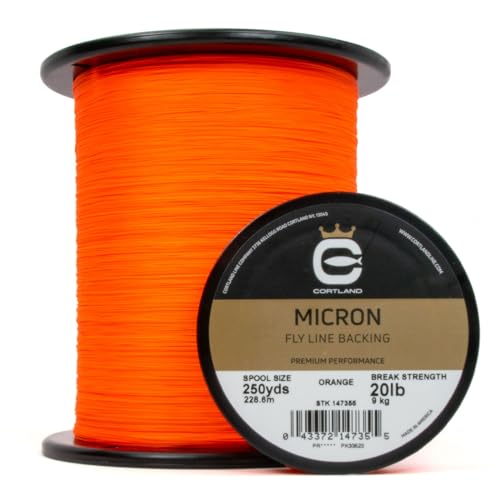
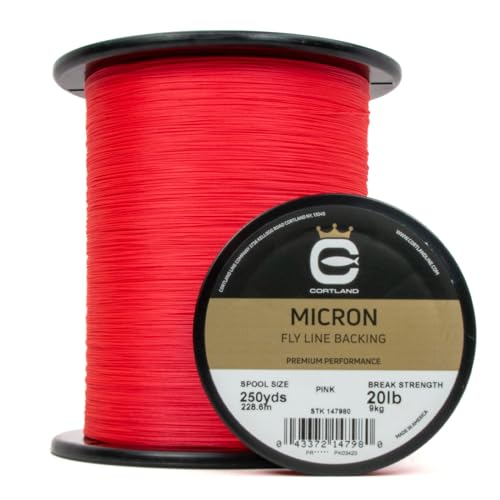


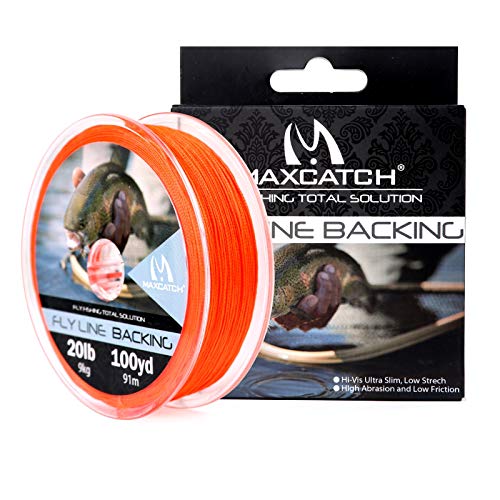


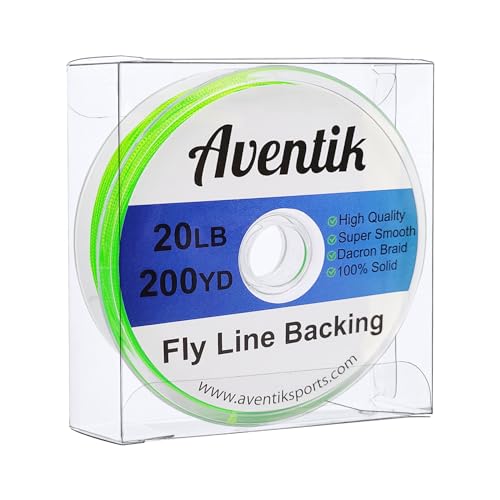


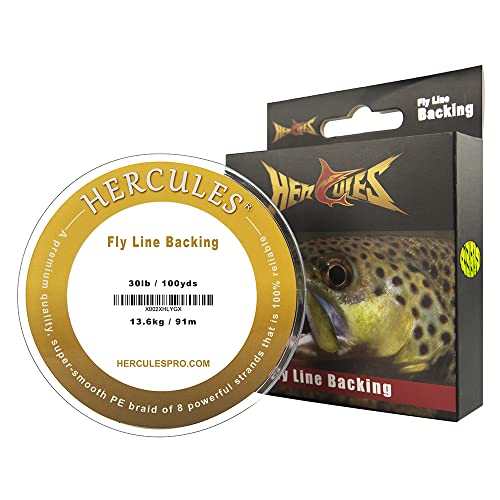


| 30 lbmaker | 250 ydmaker | Gel-spunmaker | See it on Amazon | |
| 30 lblisting | 109.4 ydlisting | Dacronlisting | See it on Amazon | |
| 50 lblisting | 300 ydlisting | Gel-spunmaker | See it on Amazon | |
| 50 lbmaker | 500 ydmaker | Gel-spunmaker | See it on Amazon | |
| 65 lblisting | 300 ydlisting | Gel-spunmaker | See it on Amazon | |
| 65 lblisting | 100 ydlisting | Gel-spunmaker | See it on Amazon | |
| 65 lblisting | 200 ydlisting | Gel-spunmaker | See it on Amazon | |
| 65 lblisting | 300 ydlisting | Gel-spunmaker | See it on Amazon | |
| 70 lblisting | 328 ydlisting | Gel-spunlisting | See it on Amazon | |
| — | — | — | See it on Amazon | |
| — | — | — | See it on Amazon | |
| — | — | — | See it on Amazon | |
| — | — | — | See it on Amazon | |
| — | — | — | See it on Amazon | |
| — | — | — | See it on Amazon | |
| — | — | — | See it on Amazon | |
| — | — | — | See it on Amazon |




Fly lines
| Model | Line weight | Taper | Floating / sinking | Core | Amazon |
|---|---|---|---|---|---|
8 Fans Fly Fishing Line Combo (WF Floating Line, Backing, Leader)Fly line More specs
| 3–8 wt | Weight forwardmaker | Floatingmaker | PVC line; 8-strand braided polyester backing; nylon tapered leadermaker | See it on Amazon |

What's in this tableFly line backing we track on Amazon US, from the lightest breaking strength up.
What backing does
Backing is the line you cannot see once the reel is loaded. It goes on first, then the fly line, then the leader and tippet. A guide from Guide Recommended describes the job in two parts. It adds length, as insurance when a large fish runs farther than the fly line goes, and it fills the spool so the fly line sits in larger coils rather than being wrapped tight around the arbor. A fly line is only about 90 to 110 feet long, so on a fish that takes off, the backing is what is left.
For small trout on a small stream, you may never see the backing, and its main use is as a spool filler. For steelhead, salmon, carp or saltwater fish, it is the reserve that keeps a long run from ending at the fly line's end. The same guide says backing is optional on 2 and 3 weight rods and a must from 4 weight up. That is one guide's rule, and I'd follow it as a minimum.
What is in the table
The table lists backing as a product type: one row per spool, sorted from the lightest breaking strength upward. At our last check (October 2026) there were 58 products. They start at 20 lb, with 25 lb and 30 lb further down.
Spool lengths in the data run from short spools of 50 to 110 yards up to bulk spools of 1,000 yards or more. The Scientific Anglers Dacron Backing 20 lb is listed at 3,000 and 5,000 yards, and the Tuf Line 20 lb at 2,500. Bulk spools make sense if you load several reels. One spool of 100 yards makes sense for one reel.
Materials in the table are Dacron, braided polyester and gel-spun. Most of the backing is Dacron. Makers include Aventik, Cortland, Kylebooker, Maxcatch, RIO, Royal Wulff and Scientific Anglers. Others, such as Hercules, Kingfisher Fly Fishing, Piscifun, SF and Tuf Line, sell backing through Amazon, and they do not have a page of their own on this site.
How to read the columns
Breaking strength is in pounds. It tells you how much load the line should hold before it breaks, and it is the number makers use for backing. In the table it is mostly a listing mark, so the strength is what the Amazon listing says. The ones with no mark come from the maker, such as the Scientific Anglers 20 lb Dacron. Backing strength is a rough guide to its diameter as well: a stronger line is generally thicker, and thicker line fills the spool faster, which means less of it fits.
Spool length is in yards. It tells you how much you are buying. A listing sometimes gives metres as well, and the table shows yards. Compare the length with what your reel needs, not with the biggest spool you can find.
Material is Dacron, braided polyester or gel-spun. The guide describes Dacron as cheaper and thicker, good for runs under about 300 feet and easy on your hands, and gel-spun as much thinner, so it fits more line, and a better fit when reel capacity is tight or fish regularly run past 300 feet. It gives about .024 inch for 30 lb Dacron and about .014 for 30 lb gel-spun. Braided polyester is described in listings in a similar way to Dacron, and the data does not say more than that.
Under each model name, the More specs toggle shows what else is known.
What the marks under the values mean
- maker means stated on the manufacturer's own page.
- claimed means a manufacturer's claim with no independent lab or standard named.
- listing means taken from the Amazon listing and not confirmed by the maker.
- — means we could not confirm it, and we do not guess.
A breaking strength printed on a spool is the maker's number. It is not an independent test, and I'd treat it as a guide to the class of line, not as a figure to work out a drag setting from. Where a listing gives a strength without a maker page behind it, the listing mark says so. The Cortland Micron 30 lb listing has a strength and material but no spool length in our data, for example, and the table shows a dash for the length.
How to choose
Pick the strength for the fish. The Guide Recommended article suggests 20 lb for normal trout and for big trout or steelhead, and 30 lb for salmon, bonefish, large carp and tarpon. That matches a common habit of going heavier as the fish gets larger. A stronger backing is not a reason to fish heavier tippet, because the leader and tippet break first.
Pick the length from your reel. The most reliable source is the reel maker's capacity chart. As a rule of thumb from the same guide, a trout reel takes about 50 to 100 yards of 20 lb, a steelhead reel 150 or more, and a saltwater or big-river reel 250 to 300 yards of 30 lb. Our guide to backing quantity and the fly reel size guide explain how to work it out for your line.
Leave clearance. The guide advises about 1/4 inch of space between the fly line and the edge of the reel frame once it is loaded, so the line does not rub the frame. If you overfill, you can take some backing off.
Think about the reel. A reel with a large arbor needs less backing to fill, and a reel with a small arbor needs more. Our fly reels page shows the arbor column.
Think about the budget. Backing is among the cheapest parts of a fly outfit, and buying more than you need does not make the outfit better. A bulk spool is only worth it if you will use it. The table includes a range of lengths, and Check price on Amazon will show the current figure.
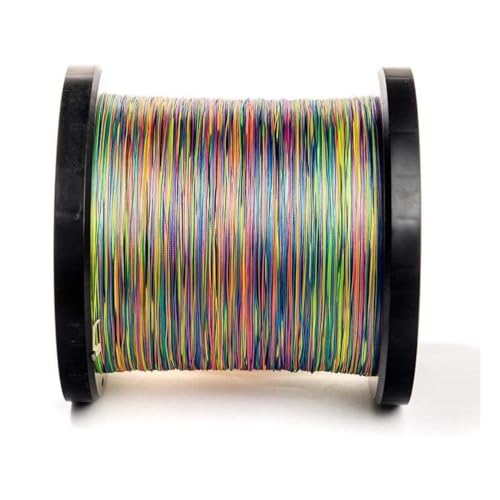
Choose a color you can see. The table includes fluorescent and purple spools from Hercules and Kingfisher. A bright color helps you see how much backing you have out, and a dull one hides in the water. That is a preference and not a spec.
Examples from the table
A few rows show how the choices play out. For a trout reel, the 20 lb, 100-yard spools from RIO, Scientific Anglers, Aventik and Maxcatch (the Maxcatch one is braided polyester, the others Dacron) sit in the range the guide suggests for normal trout. For a bigger reel, the 30 lb spools of 200 to 300 yards, such as the Aventik 30 lb at 200 yards, the Cortland Micron 30 lb at 250 and the RIO 30 lb at 300, fit the salmon and big-fish end of that advice. Where space on the reel is tight, the two gel-spun entries are the ones to look at: the Cortland Gel Spun Backing 30 lb at 300 yards, and the Royal Wulff Braided Gel Spun Ultra Thin Backing 30 lb at 2,500 yards, whose details come from the Amazon listing. Treat those as starting points, and check your reel's own capacity before you buy.
Loading it
The loading order is backing, then fly line, then leader and tippet. The usual knots are an arbor knot to attach the backing to the spool and a nail knot or a loop-to-loop connection to join the backing to the fly line. Our backing knot guide walks through the steps, and how to spool a fly reel covers the whole job, including the right tension.
Common mistakes
Gary once wound on every yard of a 1,000-yard spool because it was there, then tried to add the fly line and discovered the reel had no room left. He took the backing off again, which took longer than the fishing. The simpler version of this mistake is not leaving enough room for the line.
Other mistakes are buying backing far stronger than you need, filling the reel with the wrong length for the fish you chase, and skipping backing on a larger rod because the fish "will not run." And one more: leaving old backing on for years. Look at your backing whenever you change the fly line, and replace it if it looks frayed.
Care
Rinse your reel after salt, let it dry, and look at the backing when you change the fly line. Our guide on how long fly line lasts also covers when to replace it.
Where to go next
The fly lines page covers the line that goes on top of the backing, and the floating fly lines page lists the full floating ones. The fly reels page covers what holds both.
Brands in this table
Related
Guides
Questions people ask
What is fly line backing for?
It sits between the reel and the fly line. One guide describes it as extra line that adds length as insurance when a big fish runs far. It also fills the spool, which makes the arbor effectively larger and keeps the fly line from going on in tight coils.
Do I need backing on a fly reel?
For most fly fishing, yes. One guide calls backing optional on 2 and 3 weight rods and a must from 4 weight up. If you fish for fish that can run, such as steelhead, salmon, carp or saltwater species, it is not optional. For small trout on a tiny stream, it mainly serves as a spool filler.
Is 20 lb or 30 lb backing better?
Neither is better in general. One guide suggests 20 lb for normal trout and for big trout or steelhead, and 30 lb for salmon, bonefish, large carp and tarpon. The table starts at 20 lb and also lists 25 and 30 lb. Pick the strength for the fish, and check how much fits on your reel.
What is the difference between Dacron and gel-spun backing?
Dacron is the common choice and is described as cheaper, thicker and easier on the hands. Gel-spun is much thinner, so more of it fits on a reel, which matters when capacity is tight or fish make very long runs. One guide gives about .024 inch for 30 lb Dacron and about .014 inch for 30 lb gel-spun. In our table, most of the backing is Dacron, with braided polyester and two gel-spun products.
How much backing do I need?
It depends on the reel and the fish. One guide suggests 50 to 100 yards of 20 lb for normal trout, 150 or more for big trout or steelhead, and 250 to 300 or more of 30 lb for salmon, bonefish, large carp and tarpon. The most reliable answer is the reel maker's capacity chart. Our guide on how much backing to put on a fly reel shows how to work it out.
How do I attach backing to the reel and to the fly line?
The usual knots are an arbor knot to tie the backing to the reel and a nail knot to join the backing to the fly line. Some fly lines have a welded loop that you can loop to the backing instead. Our guide on the fly line backing knot walks through the steps.
Can I use fishing line as backing?
The backing in our table is made for the job, in Dacron, braided polyester or gel-spun. I'd buy backing rather than improvise, since the table shows spools at a range of lengths, and check any other line's diameter and strength against what your reel can hold.
Sources
- Guide Recommended: Fly fishing backing — accessed 2026-10-15
- Wikipedia: Fly line — accessed 2026-10-15